Wednesday, 28 March 2018

Facebook temporarily blocks new apps from joining its platform

Facebook paused its app review process last week to “implement new changes,” the company quietly announced yesterday. Facebook’s move to momentarily prevent new apps and chatbots onto its platform comes after the Cambridge Analytica data privacy scandal that’s unfolded over the last two weeks. The ongoing situation has embroiled the company in an existential crisis of unprecedented magnitude after up to 50 million Facebook users profiles’ were compromised by a third-party app. Last week, Facebook said it will further limit developers’ access to user data.

Now, Facebook appears to be reevaluating how it approves apps due to how easily the third-party survey app, called “thisisyourdigitallife,” was able to mine data and sell it with...

Continue reading…


Facebook temporarily blocks new apps from joining its platform appeared first on http://www.theverge.com

Google Home gains ability to play audio through other Bluetooth speakers

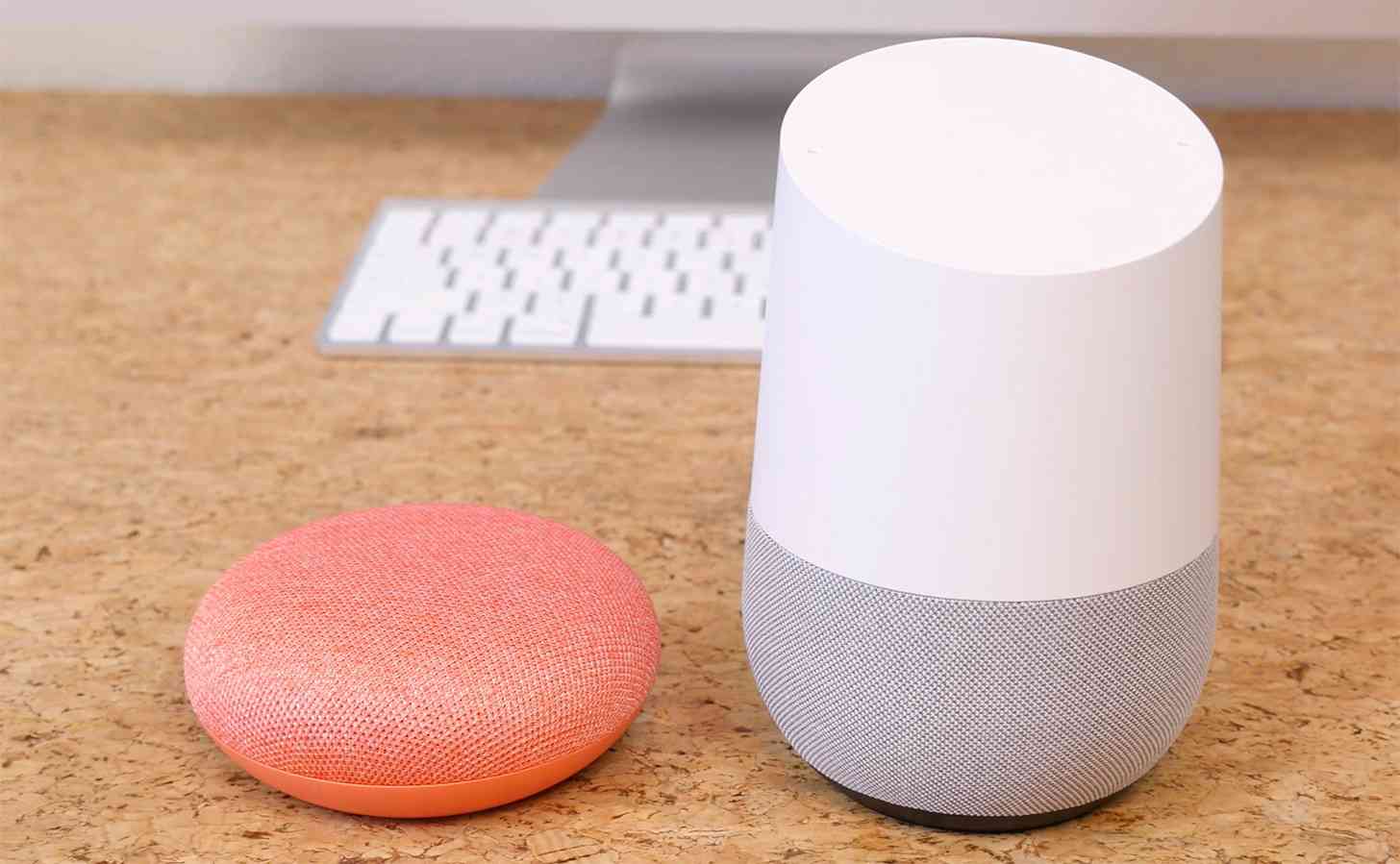
Google Home Mini, Google Home hands-on

Google Home devices work perfectly fine as speakers, but some people have higher quality Bluetooth speakers that they might prefer to listen to music with. Now they can do just that with their Google Homes.

Any Google Home device can now connect to other Bluetooth speakers and play audio through them. Just open the Google Home app, go to the device settings, and follow the pairing instructions. You can then ask Google Home to play music and it'll be piped through your Bluetooth speaker without you having to use the name of the device.

You can then add any Bluetooth speaker to a group in the Google Home app and have multi-room audio.

This is a nice feature for Google to add to its Home devices. As I mentioned before, you've been able to use Google Home devices to play audio, but products like the Google Home and Google Home Mini aren't exactly known for stellar audio quality. Now folks who do have high-quality Bluetooth speakers can use those products to listen to music while still benefitting from the voice controls that Google Home has to offer.


Google Home gains ability to play audio through other Bluetooth speakers originally posted at http://phonedog.com

Are you using an Android Wear smartwatch?

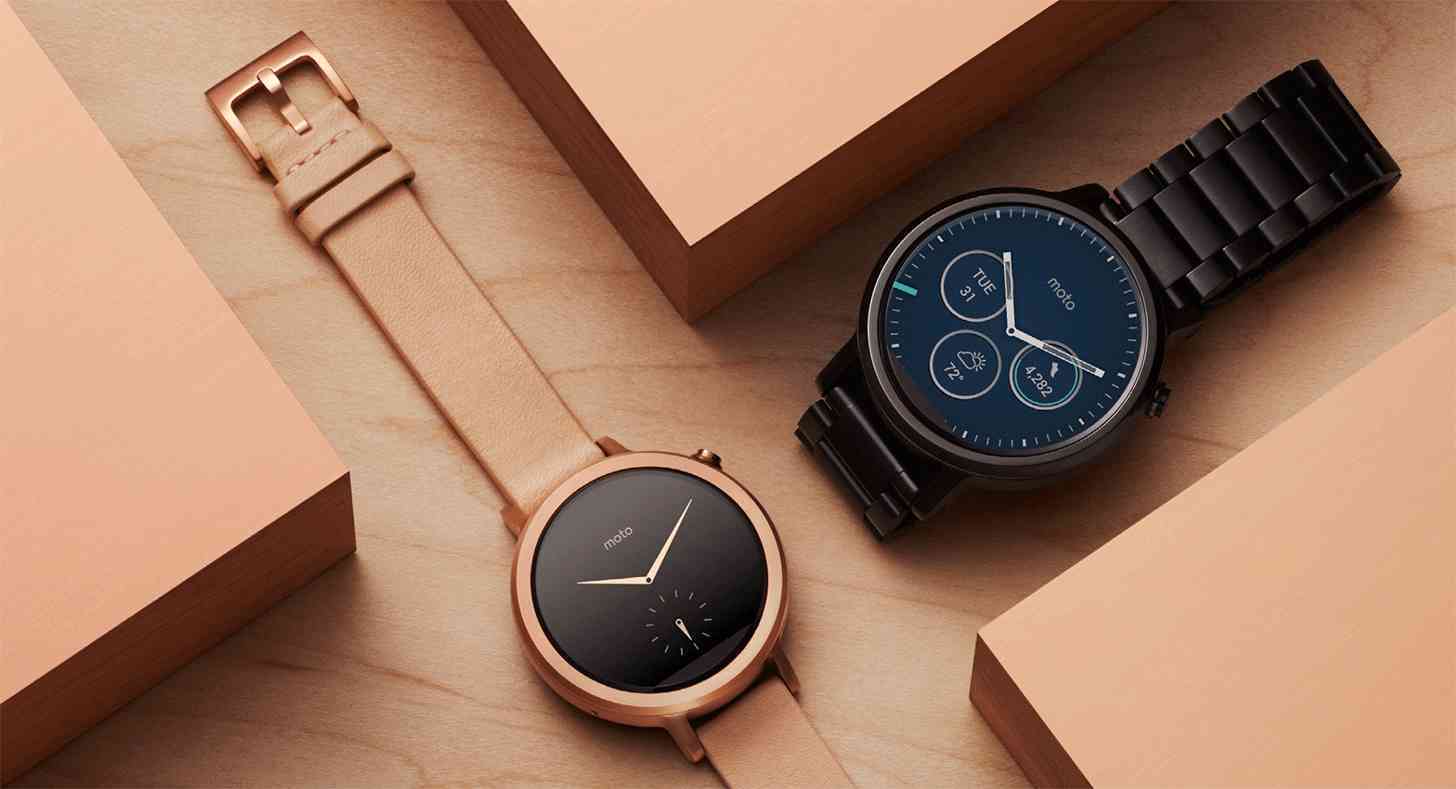
Moto 360

I don't know about you, but when I'm out in public I have a tendency to try and pick out devices. Many years ago it was all about just picking out smartphones, trying to find that rare device out in a sea of same-old, same-old. But now that search can include smartwatches, and with so many different options out there, it can be fun trying to figure out what, if any, brands are out there in your neck of the woods.

I don't see a lot of smartwatches, to be honest. When I do, it's usually an Apple Watch. The square design definitely stands out, but I will say that it's usually a band that makes the wearable stand out. The third-party options for bands for Apple's smartwatch are pretty incredible, and seeing a band with bright colors or eye-catching designs is definitely the norm.

Of course, Apple has been stocking its first-party options pretty well, too.

Last week, I saw a smartwatch out in the wild that I haven't seen in quite some time: the Moto 360. I don't know which version of the wearable it was -- it wasn't close enough to really pick out any specific details -- but I could easily tell it was Motorola's hardware effort thanks to that round case and "flat tire" design.

It was a nice looking watch! I remember I had seen more than a few out in the wild a few years ago, but, up until last week, I'm not sure that I had seen one since. It was pretty cool to see the device actually being used, too.

Seeing that Moto 360 out in the wild, and in light of Google trying to rejuvenate the smartwatch effort with the rebranding of Android Wear to Wear OS, got me thinking. Add to the fact that if I do see a smartwatch it's usually an Apple Watch, I wanted to reach out to all of you and find out if you are using an Android Wear smartwatch.

More to the point, though, I'm really curious if you've stuck with the wearable brand for quite a while, or if you've recently jumped on the smartwatch bandwagon. If you are part of the former, which smartwatch, or smartwatches, have you used over the years, and which one(s) have you stuck with? And if you're part of the latter group, which smartwatch did you opt to pick up, and why?

Are you excited to see how Wear OS shakes things up for Google's smartwatch lineup? Let me know!


Are you using an Android Wear smartwatch? originally posted at http://phonedog.com

What educators think about Apple’s new iPad

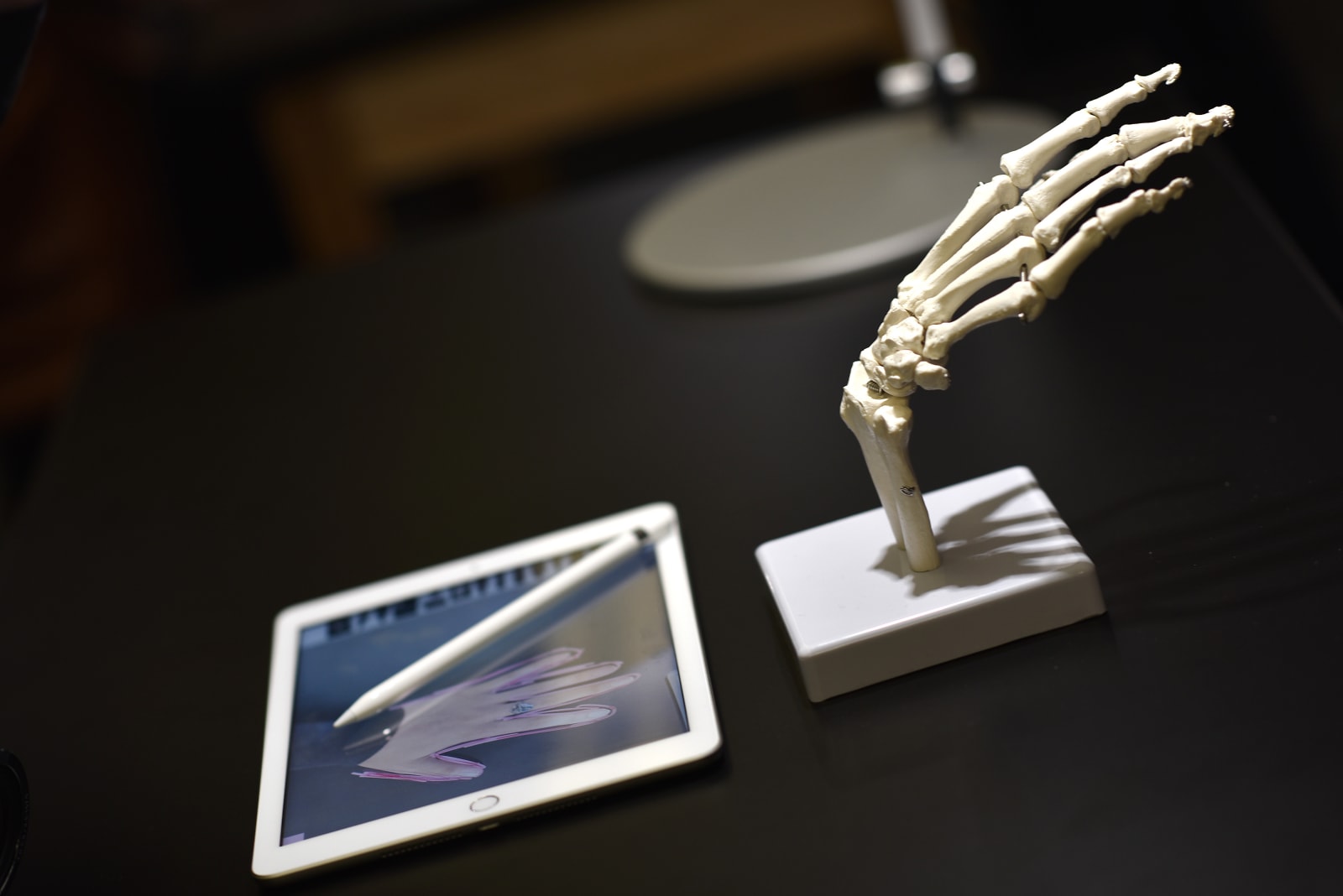
Yesterday's Apple event showed that the company wants to make a serious push back into the education sector. This isn't anything new though, according to CEO Tim Cook it's just the company going back to its roots. The centerpiece here is a "new" iPad, a 9.7-inch tablet with Apple Pencil support that aims to woo teachers everywhere. There's also a redesigned iWork suite that lets students doodle and create digital books within Pages, the Schoolwork app for tracking, well, schoolwork, and a kid-friendly tool for coding AR. Apple is hoping that will be enough to win over schools.


What educators think about Apple’s new iPad posted first on https://www.engadget.com

Google launches Wear OS developer preview with Android P features

Google Wear OS developer preview Android P

A few weeks after launching its Android P Developer Preview for smartphones, Google has rolled out a similar preview for Wear OS smartwatches.

Google today unleashed a Wear OS developer preview that brings Android P features to smartwatches. The preview brings with it the following features:

  • Restriction related to non-SDK methods and fields: Android P restricts access to non-SDK methods and fields to improve app compatibility.
  • Dark UI system theme: Wear OS uses a darker/black background for the notifications stream and system launcher to improve glanceability, and this is now the default system theme and should improve glanceability for apps, too.
  • Limited background activity: Apps will no longer be allowed to run in the background unless the watch is on a charger. This move will help to improve power consumption.
  • Turning off radios when off body: When the watch detects that it's not being worn for an extended period of time, it'll turn off the Bluetooth, Wi-Fi, and cellular radios to improve power consumption.
  • Wi-Fi off when Bluetooth is disconnected: The watch will no longer automatically connect to Wi-Fi when disconnected from Bluetooth to help improve power consumption.

The Wear OS developer preview is now available. It includes system images in the official Android Emulator and downloadable system images for the Huawei Watch 2 and Huawei Watch 2 Classic.


Google launches Wear OS developer preview with Android P features originally posted at http://phonedog.com

Facebook to roll out simplified data privacy settings on mobile

Facebook simplified data privacy settings

Facebook has been embroiled in not one, but two data privacy controversies in recent weeks, and so today the company responded by announcing plans to simplify its privacy settings.

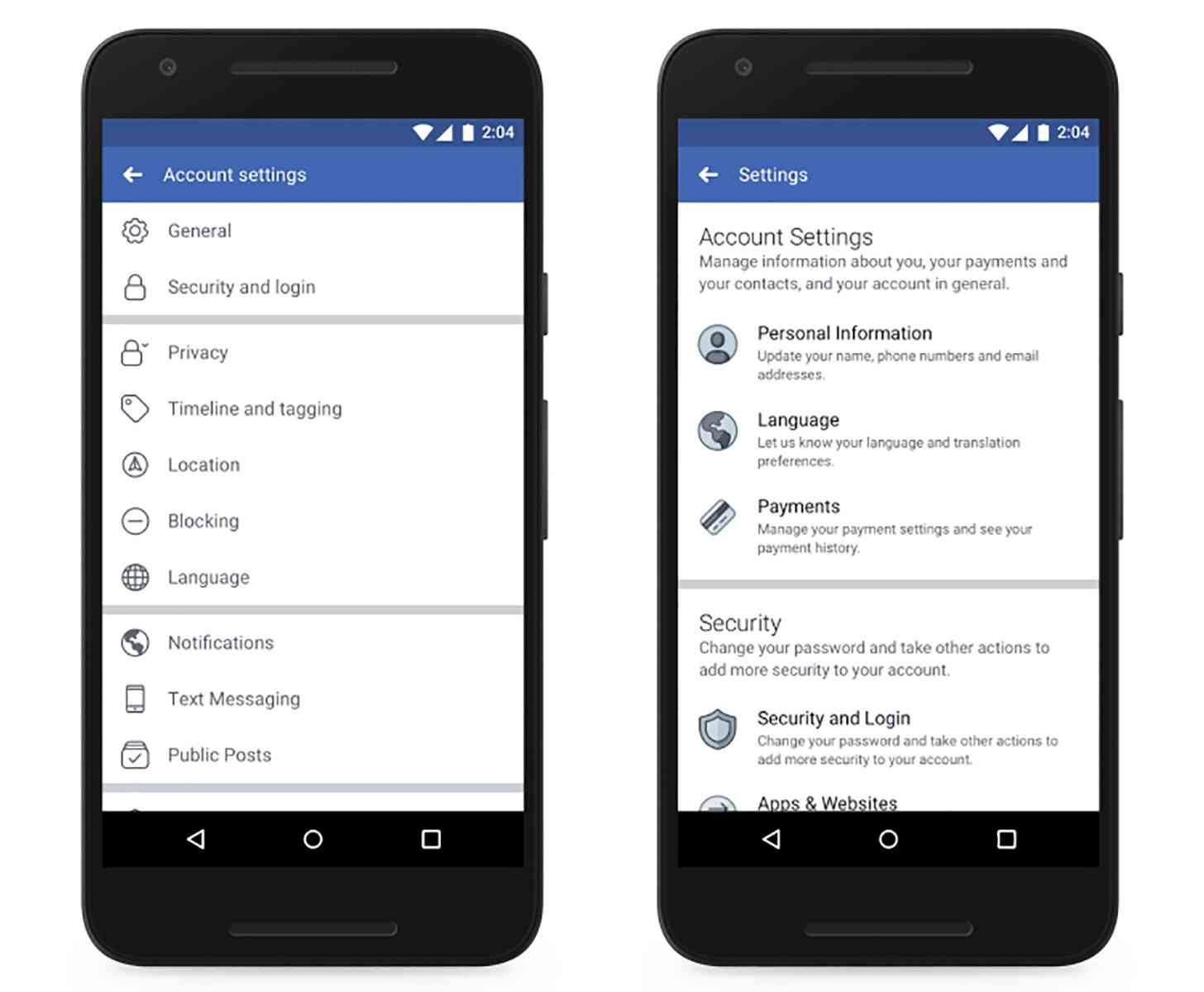
First up, Facebook is redesigning its settings menu on mobile to make things easier to find. Settings will be accessible from  a single page rather than spread out over 20 different pages, and outdated settings have been cleaned up.

Facebook Privacy Shortcuts settings

A new Privacy Shortcuts menu is also rolling out to help give users better control over their data. Privacy Shortcuts can help you  make your account more secure using features like two-factor authentication, review what data you've  shared and delete it if you'd like, control the info Facebook uses to serve ads, and manage who sees your Facebook posts and profile info.

Another new section being added is called Access Your Information. As its name suggests, this section will let you manage info like posts, reactions, comments, and past searches. You can delete anything that you no longer want on Facebook.

The Access Your Information section will also let you download a secure copy of your data that you've shared with Facebook, including uploaded photos and contacts, posts on your timeline, and more.

Facebook likes to switch up its settings and menus, especially on mobile devices, so it's good to see the company committing to simplifying things for mobile users. That's especially true considering that these changes relate to Facebook's data privacy settings. Personal data privacy is important, and it should be easy for users to know exactly what data Facebook has about them and for them to be able to delete it if they want.


Facebook to roll out simplified data privacy settings on mobile originally posted at http://phonedog.com

Pandora launches automatically generated personalized playlists

Pandora has announced it is testing personalized playlists with select Pandora Premium users that are automatically generated based on a person’s individual listening habits, as reported by TechCrunch. The playlists will appear over time and auto-populate in up to 60 different categories, like “Your Party Soundtrack” or “Your Chill Soundtrack.”

Pandora is leveraging its Music Genome Project to power these playlists. The Music Genome Project uses over 450 attributes, or “genes” that describe various elements of a song, like the type of background vocals or the gender of the lead vocalist, in order to classify songs. Pandora is then taking this raw data and using it in combination with a series of over 75 machine learning algorithms, c...

Continue reading…


Pandora launches automatically generated personalized playlists appeared first on http://www.theverge.com